What’s at Stake?
- The Fed meeting is widely expected to deliver a rate cut of 25bps, pausing a roughly nine-month period in which rates were held steady.
- Markets are almost certain (~95-96%) of a 25 basis-point reduction, bringing the federal funds rate into the 4.00%-4.25% range.
A larger cut (50 bps) is considered unlikely, though some commentators are watching for hints that the Fed could adopt more aggressive easing down the road.
Key Considerations / Risks
- Inflation vs Labour Market
Inflation has come down somewhat from its peaks but remains above the Fed’s 2% target, especially given recent pressures (e.g. from tariffs and goods prices).
- The labour market has shown signs of cooling: job gains are weak, unemployment has ticked up, some revisions lower. This strengthens the case for easing.
- Forward Guidance (“Dot Plot”, Projections)
What the Fed signals about future rate cuts (in its projections) will probably matter more than the 25 basis-point cut itself. How many more cuts are expected in 2025 and beyond is what markets are paying attention to.
- Fiscal, Trade, and External Pressures
Tariffs are contributing to inflation pressures in imported goods, which complicates the Fed’s calculus.
Also, there’s some political tension around the Fed (appointments, legal challenges) which could influence perceptions of independence.
Possible Scenarios & Market Reactions
| Scenario | Likely Outcome |
| Baseline — 25 bps cut + dovish guidance (moderate optimism for more cuts) | Slight rally in equities, modest drop in USD, bond yields drop, especially short-term ones. |
| Cautious — cut, but with strong inflation warning and fewer future cuts projected | Markets might react neutrally to slightly negatively. USD may strengthen relative to expectations; risk assets may pull back. |
| Surprise dovish — e.g. hints of a 50 bps cut, or aggressive forward guidance | Strong positive reaction from risk assets; short yields fall; greater volatility possible if expectations overshoot actual commitments. |
What to Watch in the Statement & Powell’s Press Conference
- The exact wording on inflation’s trajectory — whether recent rises are seen as transitory or more persistent.
- Language about the labour market: how the Fed perceives recent weakness.
- Clues about timing of future cuts: will they be in October, December, or later?
- Any signals about balance-sheet policy or how the Fed views housing/mortgage markets, especially given recent commentary from big financial players
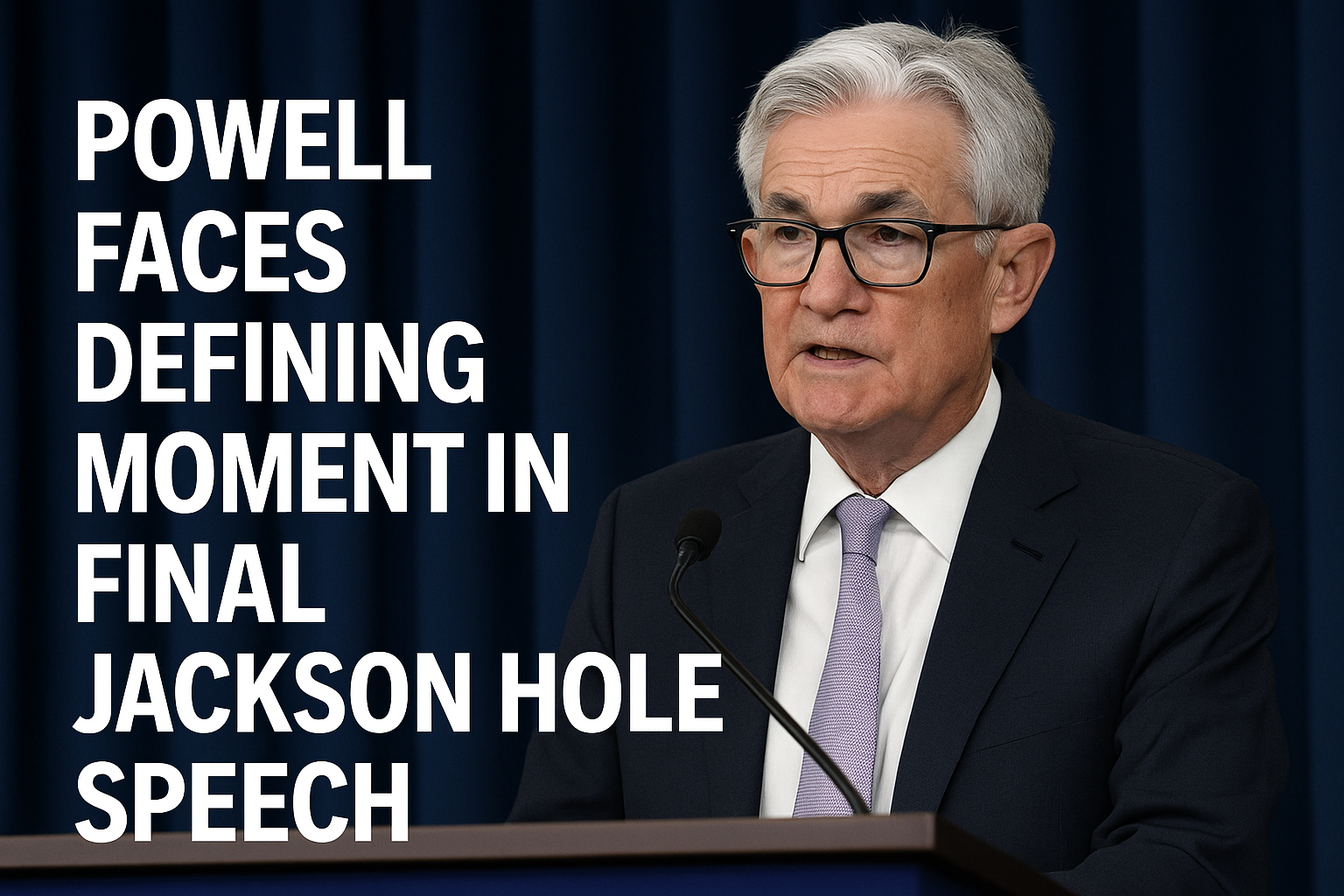
There are some questions on Fed independence that Powell may address
The Fed’s independence has come under question due to a mix of political and structural pressures. Presidents and lawmakers have at times pushed for easier policy, raising concerns that electoral politics could influence rate decisions. Legal challenges to the Fed’s structure and congressional proposals to constrain its discretion add to those doubts. Meanwhile, the Fed’s large balance sheet — especially its holdings of government debt and mortgage securities — ties it more closely to fiscal and housing policy, areas often shaped by politics. Combined with skepticism that the Fed reacts too much to markets, these factors have fueled debate over whether its decisions remain fully insulated from outside influence.
What is the latest with economic data?
The latest U.S. inflation data show price pressures ticking back up, with headline CPI rising 2.9% year-on-year in August (up from 2.7% in July) and core CPI holding at 3.1%. On a monthly basis, prices climbed 0.4%, driven by higher food (+0.6%) and energy costs (+0.7%, including a 1.9% jump in gasoline), alongside persistent increases in shelter. This suggests inflation remains “sticky” and above the Fed’s 2% target, complicating its decision-making: while elevated prices argue against aggressive easing, signs of a cooling labor market are pushing in the opposite direction, leaving policymakers in a careful balancing act.
The latest U.S. jobs data point to a cooling labor market, with nonfarm payrolls rising by just 22,000 in August and the unemployment rate edging up to 4.3%. Labor force participation held steady at 62.3%, while average hourly earnings grew 0.3% month-on-month and 3.7% year-on-year, showing moderate but not accelerating wage gains. Sector trends were mixed, with losses in government and energy offset by modest growth in health care. Importantly, a new benchmark revision revealed that the U.S. actually added 911,000 fewer jobs over the past year than previously reported, underscoring that labor conditions have been weaker than thought. Together, the tepid job growth, slightly higher unemployment, and softer revisions suggest slack is emerging in the labor market, reinforcing expectations that the Fed will lean toward cutting rates to support the economy.
What does this all mean?
To summarise:
1) If Powell and Co. cut and sound more dovish, we could see a move higher in stocks.
2) If the Fed cuts but sounds very cautious about another cut, stocks could sell off.
3) If there is a surprise 50bps cut, then stocks could move higher.
4) The 25bps cut happens, but the Fed remains neutral, then we could be in for a bit of a damp squib.
5) Lastly, if the Fed does nothing, then stocks could fall heavily (not likely)